

Article · The Journal
What Does 百无禁忌 Mean? A Guide to the “No Taboos” Phrase
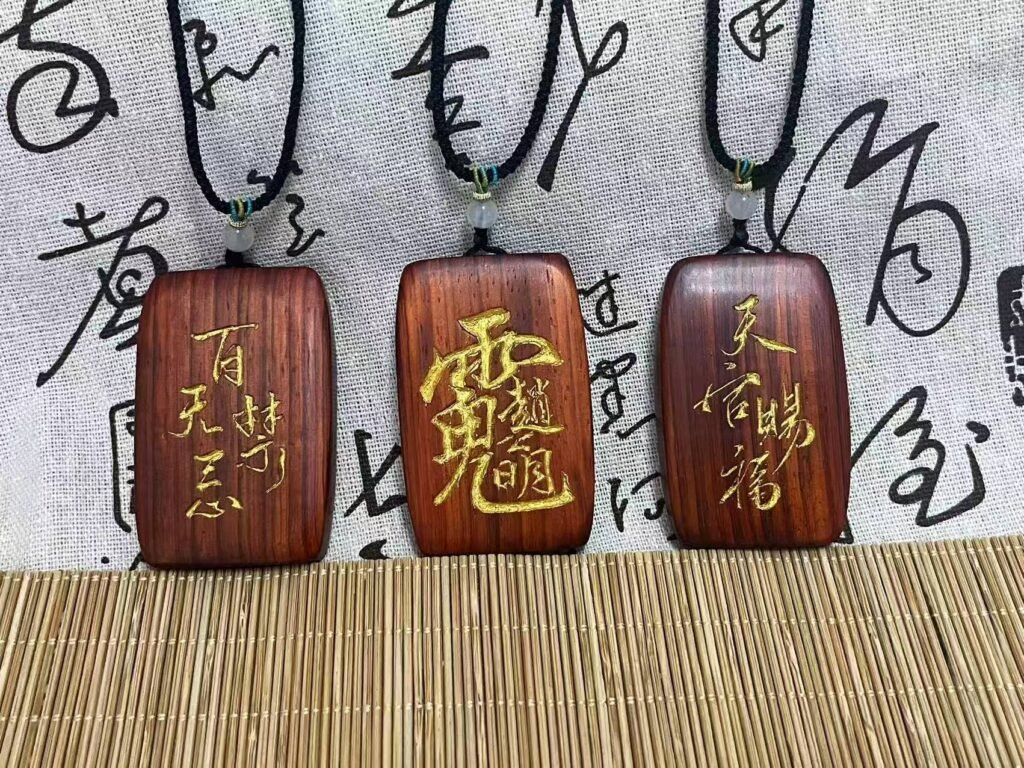
Published by FENG SHUI PERSONA
百无禁忌 means “nothing is taboo” in English. The traditional spelling is 百無禁忌, and both forms are pronounced bǎi wú jìn jì. The most natural translation depends on what someone is asking. If a host asks, “Are there any foods you avoid?” and the guest replies 百无禁忌, “I eat anything” fits that conversation. On a pendant, “free from taboos” conveys the inscription’s more symbolic sense: a wish to go about life without worrying about prohibitions.
What do the four characters mean?
百 can mean “a hundred” and, in this expression, suggests “all kinds”; 无 means “without”; 禁忌 means a taboo or prohibition. The Hàn Diǎn dictionary entry explains the phrase as having no particular taboos or prohibitions. A natural English translation depends on context: “free from taboos” works for the inscription, while “no restrictions at all” can sound stronger than the intended cultural sentiment.
Why put words on a wearable object?
Chinese personal adornment has long included objects carrying symbolic messages. The University of Hawai‘i Art Gallery’s exhibition on Chinese personal adornment included symbolic locks, talismans and amulets among many other forms. This broad history helps explain why a short phrase can be meaningful on an everyday keepsake. It does not establish the age, ritual status or special powers of a modern pendant.
Someone might choose 百无禁忌 as a reminder to approach a new stage of life with fewer self-imposed limits. Another person may value the characters for their language, calligraphy or family associations. The meaning belongs partly to the wearer; it should not be treated as a guaranteed outcome.
百无禁忌 is a phrase you can read aloud. If you are looking at a pendant with a drawn symbol instead, our guide to Chinese fu talismans explains how to approach that different tradition.
How to read the inscription thoughtfully
- Read the actual words. 百无禁忌 is the simplified form; 百無禁忌 is the traditional form. The pronunciation is approximately “bye woo jin jee,” with tones shown in the pinyin above.
- Consider the setting. A decorative pendant and a ritual object are different things. Ask the seller about any claim of origin or ceremonial preparation rather than assuming it from the inscription.
- Choose for everyday use. Check the size, weight, material, finish and attachment before deciding whether the piece suits how you plan to wear it.
Before choosing our No Taboos Pendant
Our No Taboos Pendant is a contemporary keepsake described with the 百无禁忌 inscription. In its group photograph, only the left pendant is included; the other pendants are separate products. The listing currently asks shoppers to confirm finished dimensions, exact material details and included accessories if those details affect their choice. Please check the current product page or contact us before ordering. Air shipping from Shandong is charged separately, with the destination amount shown at checkout; our shipping guide explains the process.
Common questions
Does 百无禁忌 mean that rules never apply?
No. It is an idiomatic expression. The context and the speaker’s intention matter; a pendant inscription is not legal, safety or personal advice.
Does the pendant guarantee protection or good fortune?
No. We describe its cultural wording and decorative use. We do not promise a specific result or claim that this piece has been ritually consecrated.
Editorial note: This guide explains the Chinese wording and how to assess a contemporary product listing. Sources are linked above. Product specifications and availability should always be checked on the live listing.